Genu Valgum
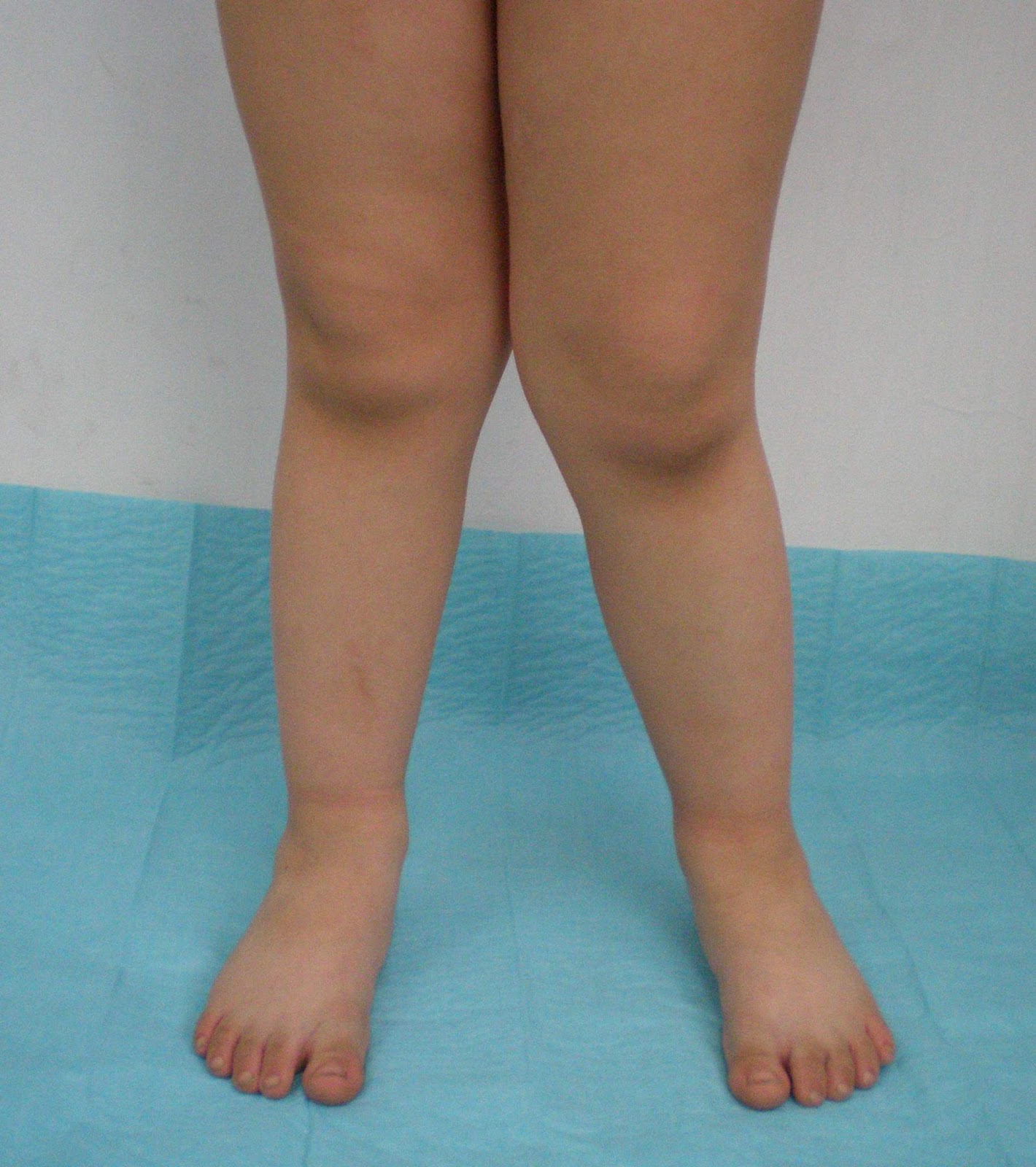
GENU VALGUM:
For the child with specific and identifiable bone dysplasia, medical treatment may have an important role,
influencing the outcome. For example, the child with vitamin D–resistant rickets should be on appropriate
medication to optimize bone formation and mineralization. Likewise, children with osteogenesis imperfecta
may benefit from treatment with bisphosphonates to increase bone density and decrease the risk of
fractures. Recognizing the need for holistic care, even optimal medical management does not correct
preexisting genu valgum. However, treatment may slow the progression of the condition and prevent
recurrence. Bracing and physical therapy may provide a temporary reprieve of symptoms, but they do not
afford long-term symptomatic relief.
SURGICAL TREATMENT:
Guided growth has emerged as the treatment of choice in the growing child; osteotomy should be reserved as
a salvage option (or for mature patients). Despite the age of the child or the etiology of the valgus,
even children with “sick physes” may be well served by the application of an extraperiosteal 2-hole. This
is documented with quarterly follow-up evaluations, including full-length radiographs with the legs
straight.
When the mechanical axis has been restored to neutral, the implants are removed. Growth should be
monitored because if the valgus recurs, guided growth may need to be repeated. The goal is to correct the
deformity, which alleviates the pain and gait disturbance and protects the knee throughout the growing
years. If this requires repeated, yet minor, intervention, the benefits still outweigh the cost and risks
of (sometimes) repeated osteotomies. If recurrence is anticipated, an option is to percutaneously remove
the metaphyseal screw, monitor subsequent growth, and insert another screw as needed.